Major Themes
 |
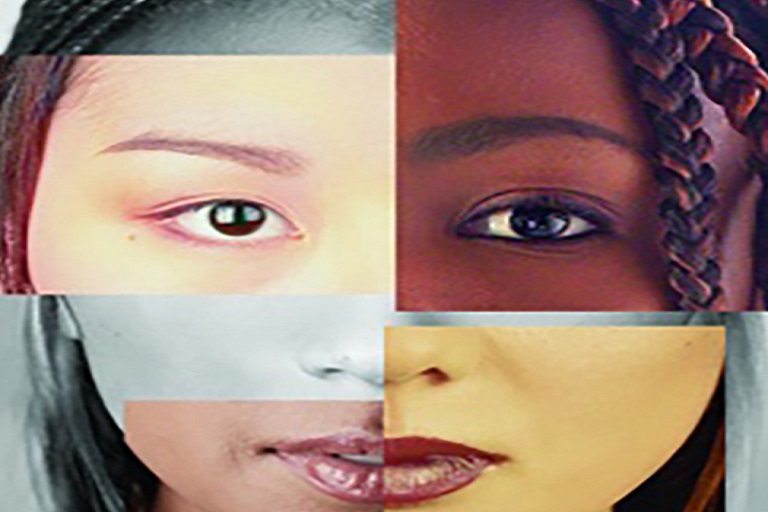
| An image potraying different skin tone |
Racism and Colorism
Explanation:
The novel explores how lighter skin is valued in society, especially in the town of Mallard. Residents pride themselves on being "light". This causes characters to judge themselves and others, revealing how deeply colorism and racism affect identity and self-worth.
Quote:
"Said, you are so dark you blend into the chalkboard, bet you could show up naked in a funeral"(Bennett 94).
Analysis:
This cruel comment directed at Jude reveals the deep colorist attitude within her community. The insult is not just about appearance; it reflects how white beauty standards have been internalized by black communities, leading them to devalue other people. Colorism becomes another weapon of oppression, passed down through generations.

Explanation:
Both Desiree and Stella seek freedom, but their options are limited by patriarchy and racism, Desiree endures abuse, and Stella hides herself entirely.
Quote:
"Desiree went out and married the darkest boy she could find and think nobody round here knows he be putting his hands on her"(Bennett 59).
Analysis
Desiree experience shows how women are expected to endure hardships in silence. Freedom requires sacrifice, whether its safety reputation or identity.

 |
Identity crisis
The novel explores how identity can be hidden or reshaped depending on societal pressures. Stella decision to pass as white is a survival tactic but comes with emotional costs
Quote:
"You know her sister run off, get to thinking she white now"(Bennet 59).
Analysis:
Stella suppresses her black identity to gain social status, but in doing so, she loses connection to her true self. This theme highlights how systemic racism can force people to erase their heritage just to be safe.
Comments
Post a Comment